Environmental Health and Safety (EHS) law may look like it belongs in a refinery, not a repertory season, but the same regulations that govern factories also shape how a modern theater builds, paints, powers, and tours its shows. From spray booths and fog machines to aging asbestos curtains and PCB‑laden dimmer racks, your artistic choices live inside a legal framework built by OSHA, EPA, DOT, NFPA, and ANSI/ESTA. For a theater technician, fluency in that framework is no longer a niche skill; it is part of running a professional shop where creativity can flourish without putting people, buildings, or the organization’s balance sheet at risk
Theatre consultants provide specialized expertise for designing, specifying, and commissioning theatrical systems, but knowing when to engage them requires understanding project complexity, internal capacity, and the cost of mistakes. This guide helps educational theater technical directors evaluate consultant qualifications, determine when consultant services add genuine value, and manage consultant relationships effectively to maximize return on investment while ensuring code compliance and operational safety.
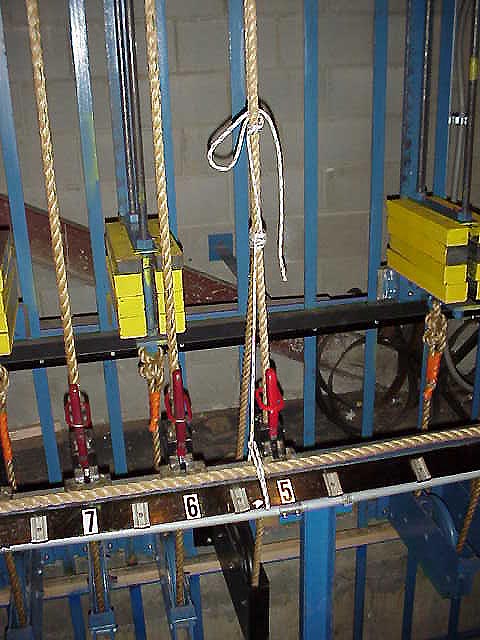
Snub lines are simple pieces of rope that play an important role in safely controlling out‑of‑balance line sets in manual counterweight systems. This article explains what a snub line is, how it works, and how to use it safely and consistently in real performing arts spaces.
Mirror illuminance in theatre can create stunning visuals—but also dangerous glare and safety hazards. Learn how to manage reflections safely with lighting control, material choice, and OSHA-aligned best practices.
Hard hats are essential in backstage and theatrical environments with overhead hazards. This guide covers OSHA requirements, storage and cleaning, color codes by crew role, and rules for applying stickers to maintain safety and compliance.