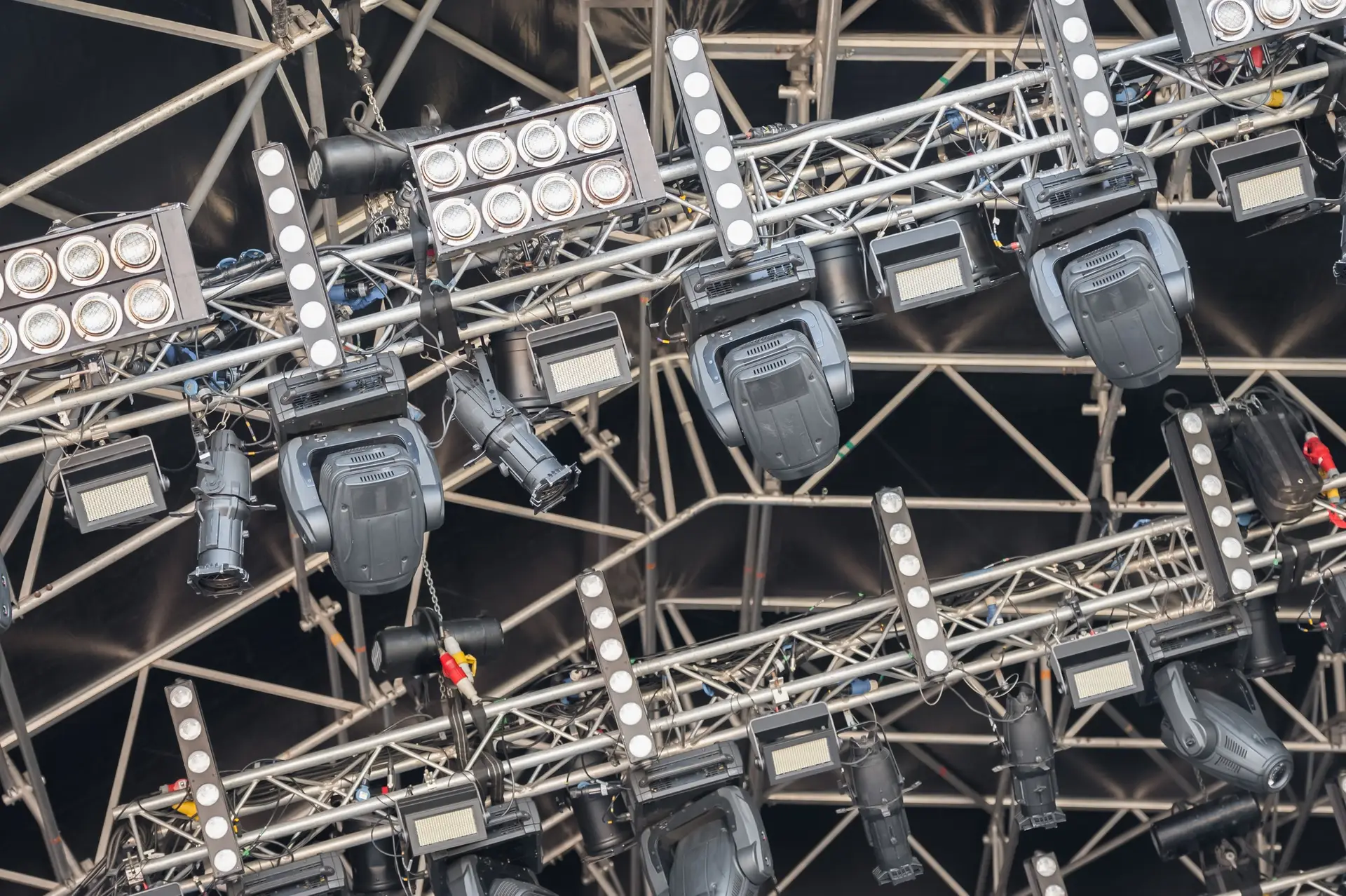
Environmental Health and Safety (EHS) law may look like it belongs in a refinery, not a repertory season, but the same regulations that govern factories also shape how a modern theater builds, paints, powers, and tours its shows. From spray booths and fog machines to aging asbestos curtains and PCB‑laden dimmer racks, your artistic choices live inside a legal framework built by OSHA, EPA, DOT, NFPA, and ANSI/ESTA. For a theater technician, fluency in that framework is no longer a niche skill; it is part of running a professional shop where creativity can flourish without putting people, buildings, or the organization’s balance sheet at risk
This article explains why “it worked last time” is one of the most dangerous phrases in educational theater. It shows how normalization of deviance, near misses, and production pressure quietly erode safety, and offers practical steps for technical directors to build a documented, standards-based safety culture.
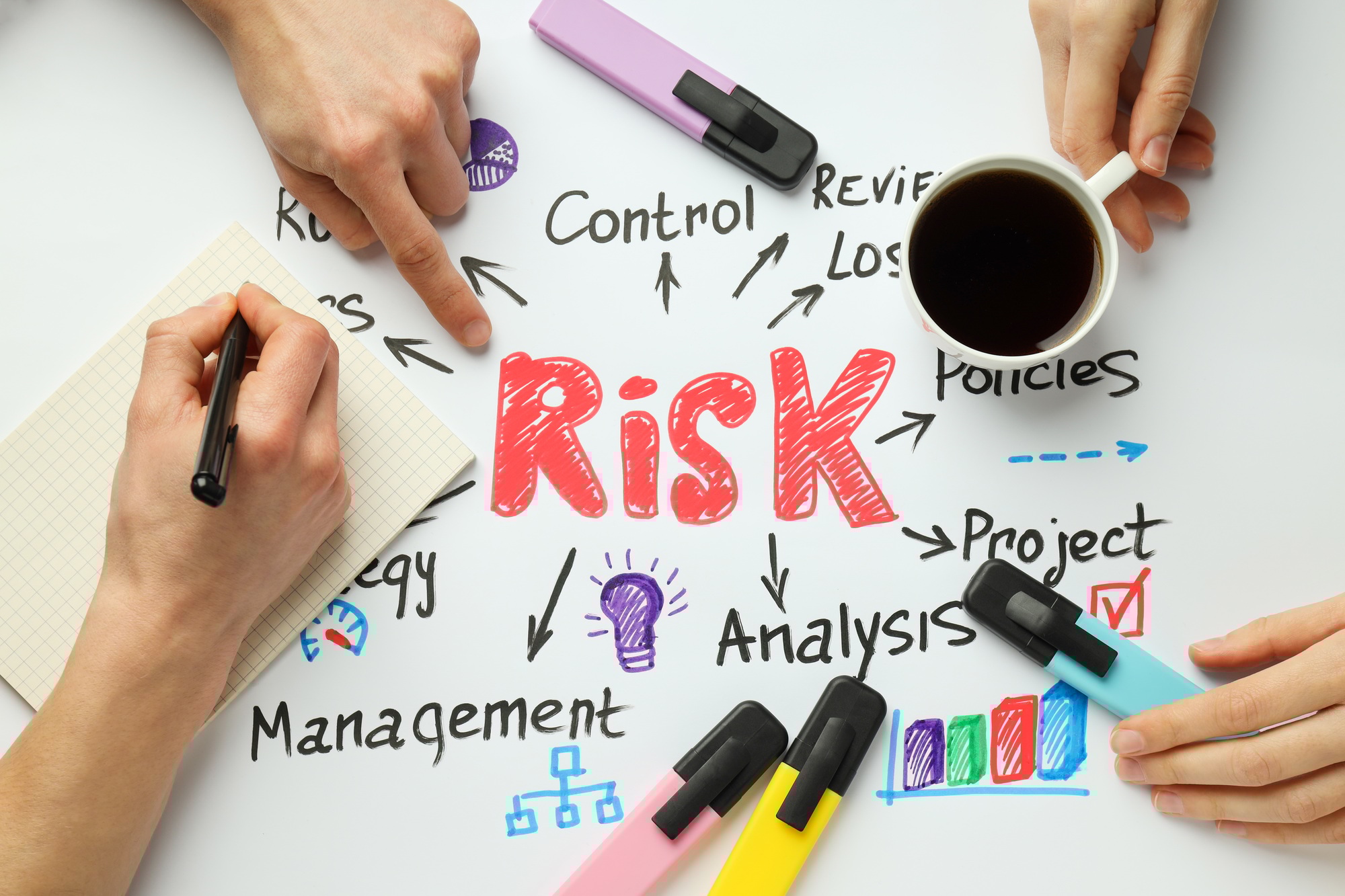
A performing arts risk manager plays a crucial role in safeguarding productions by systematically identifying and mitigating hazards across planning, management, technical operations, and emerging digital risks. This article explores key risk areas—from scheduling and human factors to energetic hazards and cybersecurity—and outlines practical strategies to ensure the safety and success of live performances.
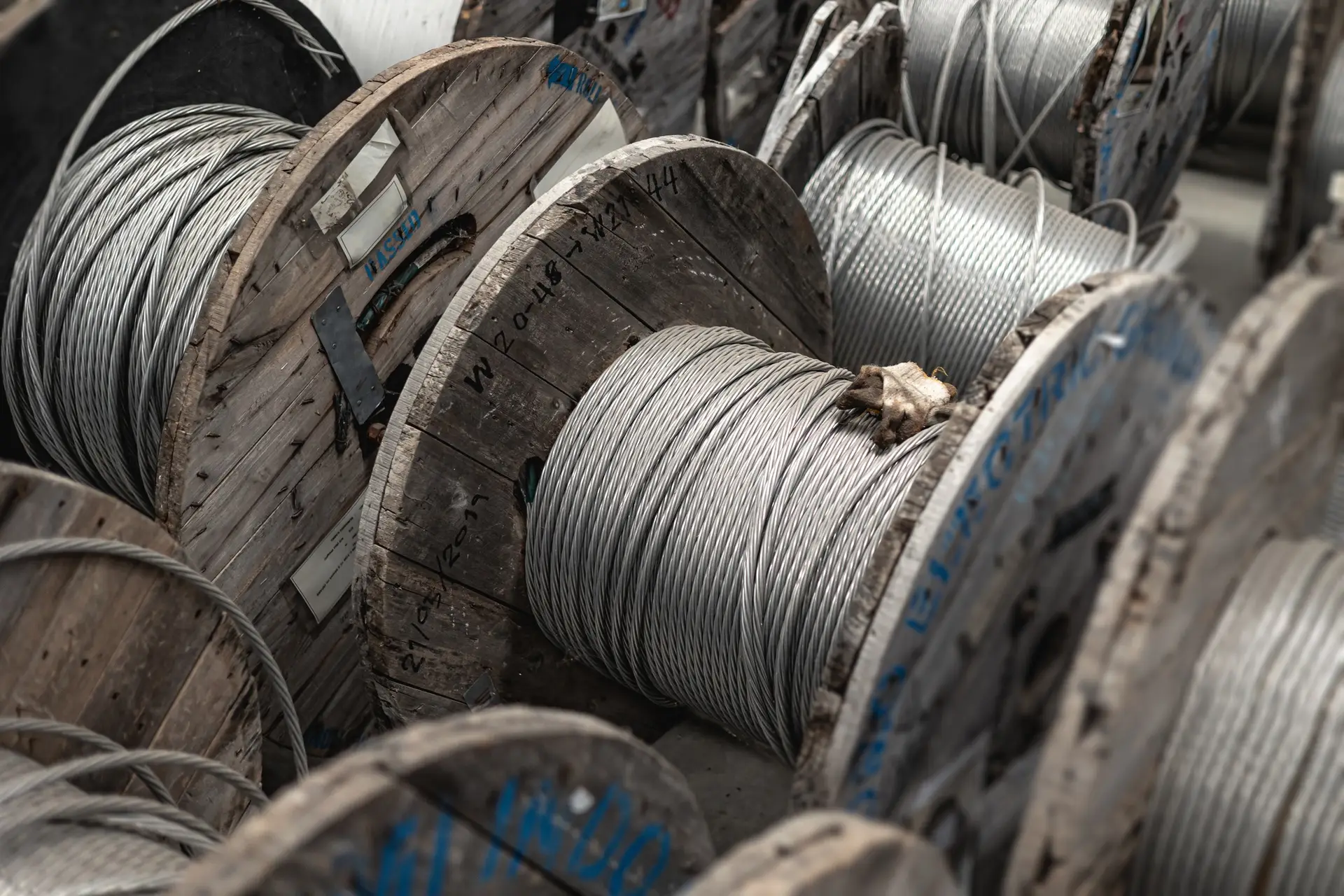
Understand how fleet angle affects wire rope performance in theater rigging. Learn how to calculate, correct, and prevent rope misalignment in winches and hoist systems.
Learn how the D/d ratio affects wire rope strength and safety in theater rigging. Understand how to apply best practices and avoid premature failure caused by tight bends.
Learn how efficiency affects strength in theater rigging systems. Understand how terminations, bends, and materials reduce capacity and how to calculate safe working loads.
Learn how working load limit (WLL) applies to theatrical rigging systems. Understand how it's calculated, where it’s used, and how it keeps your rigging safe under real-world conditions.