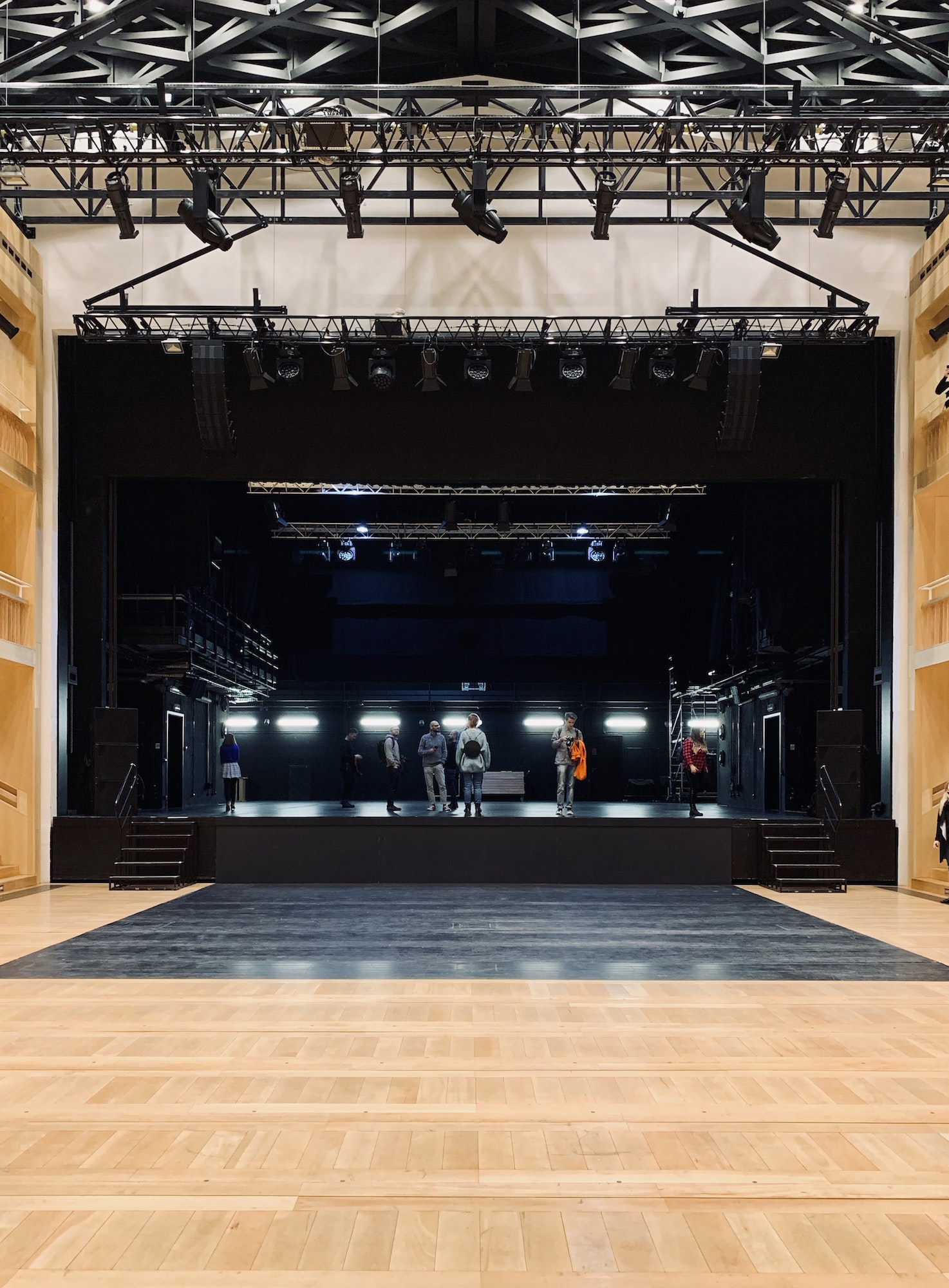
Environmental Health and Safety (EHS) law may look like it belongs in a refinery, not a repertory season, but the same regulations that govern factories also shape how a modern theater builds, paints, powers, and tours its shows. From spray booths and fog machines to aging asbestos curtains and PCB‑laden dimmer racks, your artistic choices live inside a legal framework built by OSHA, EPA, DOT, NFPA, and ANSI/ESTA. For a theater technician, fluency in that framework is no longer a niche skill; it is part of running a professional shop where creativity can flourish without putting people, buildings, or the organization’s balance sheet at risk
Discover how the SBAR communication technique, originally designed for healthcare settings, can revolutionize communication in performing arts centers, promoting clarity, efficiency, and swift problem-solving.
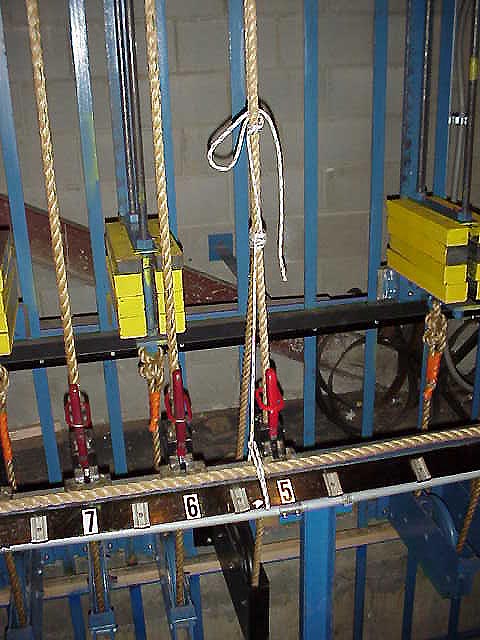
Snub lines are simple pieces of rope that play an important role in safely controlling out‑of‑balance line sets in manual counterweight systems. This article explains what a snub line is, how it works, and how to use it safely and consistently in real performing arts spaces.
Learn how working load limit (WLL) applies to theatrical rigging systems. Understand how it's calculated, where it’s used, and how it keeps your rigging safe under real-world conditions.
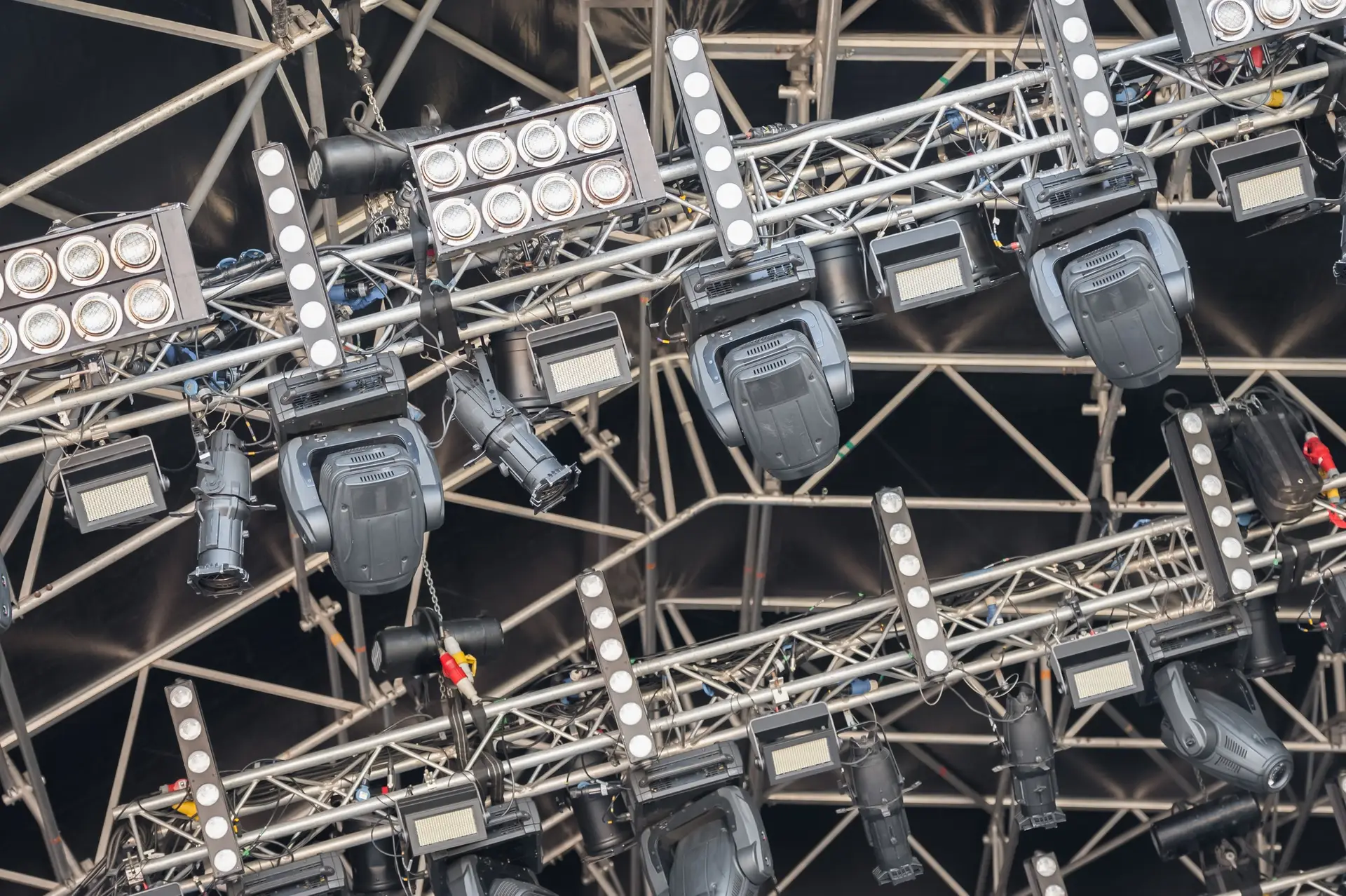
Safely manage point loads from lights and scenery in theatre rigging with ANSI E1.4-1's 100 lb mid-span rule and bending/shear formulas. This expanded guide delivers calculations, examples, inspections, and ETCP best practices for failure-proof hangs.