For technical directors in performing arts centers, ADA compliance is not a construction-phase checklist item. It is an ongoing operational responsibility covering accessible stage routes, assistive listening systems, service animal protocols, reasonable accommodations for performers and employees, and the production culture that determines whether accessibility is genuine or merely documented. This comprehensive guide covers every dimension of ADA compliance relevant to production management.
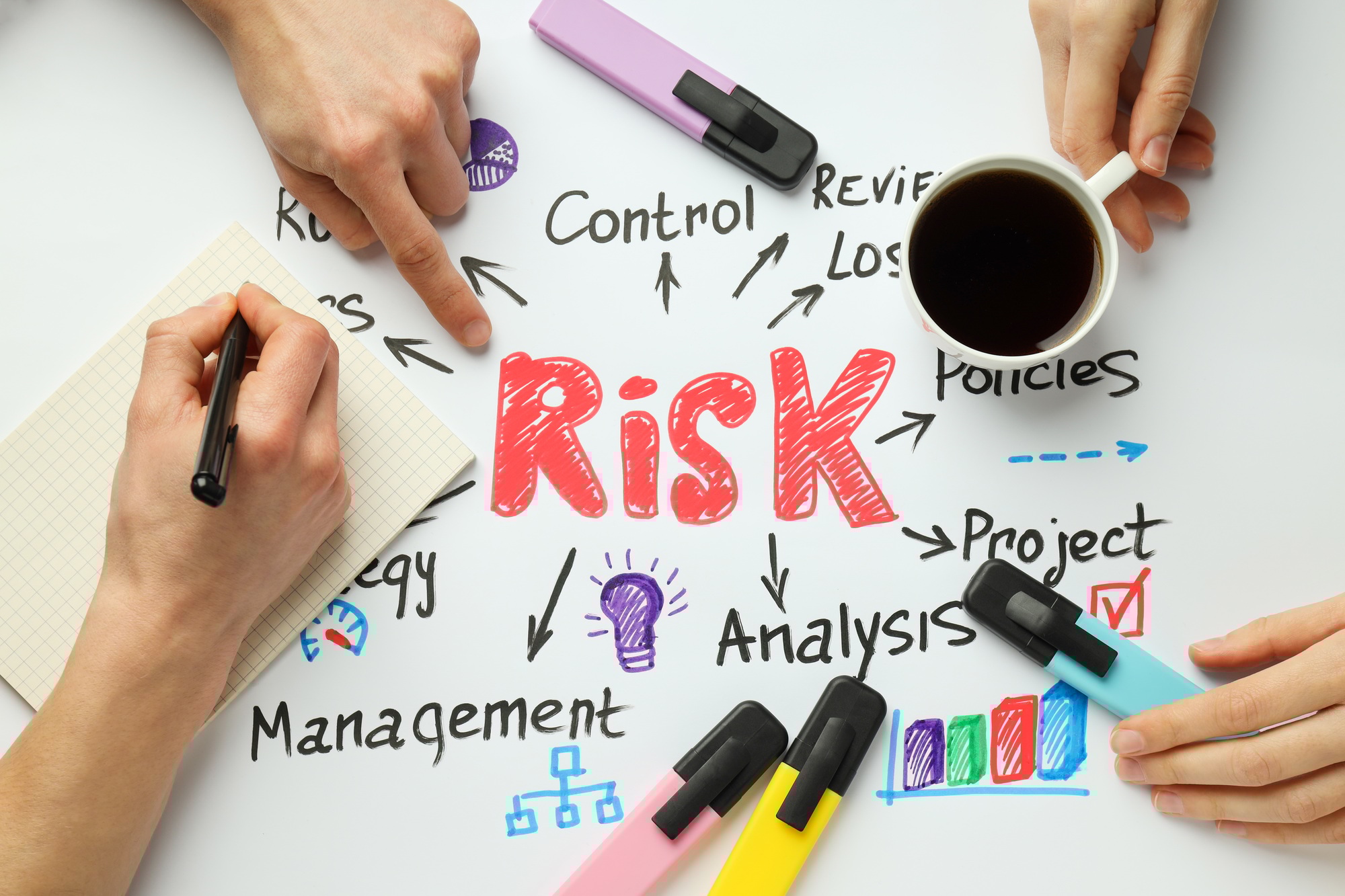
Risk drives every safety decision you make. Understanding the difference between hazards, threats, and vulnerabilities transforms how you protect people and systems. This comprehensive guide breaks down risk concepts and shows you how to build effective mitigation strategies.
Federal law requires theater technicians to be fully trained before working with any chemical substance. Learn the OSHA HazCom requirements, training obligations, and legal consequences of non-compliance.
The ADA is civil rights law, not a building code preference. Learn the accessible route requirements, wheelchair seating standards, assistive listening system requirements, and evacuation protocols for persons with disabilities.
Many theater buildings contain asbestos from pre-1980 construction. Learn the OSHA standards, where asbestos is found in theater facilities, the technician's role, and what to do if you suspect you have found ACM.
Every theater worker has legally protected rights under the OSH Act: a safe workplace, the right to know about hazards, and protection from retaliation. This article explains those rights, employer duties, PPE obligations, injury reporting, child labor law, and how to teach these concepts to students.
Performing arts programs generate hazardous waste including spent solvents, fluorescent lamps, batteries, and unknown chemicals. This article covers RCRA hazardous waste definitions, generator categories (VSQG, SQG, LQG), accumulation and labeling requirements, the Uniform Hazardous Waste Manifest, the Universal Waste Rule for lamps and batteries, and institution-level EH&S program integration.