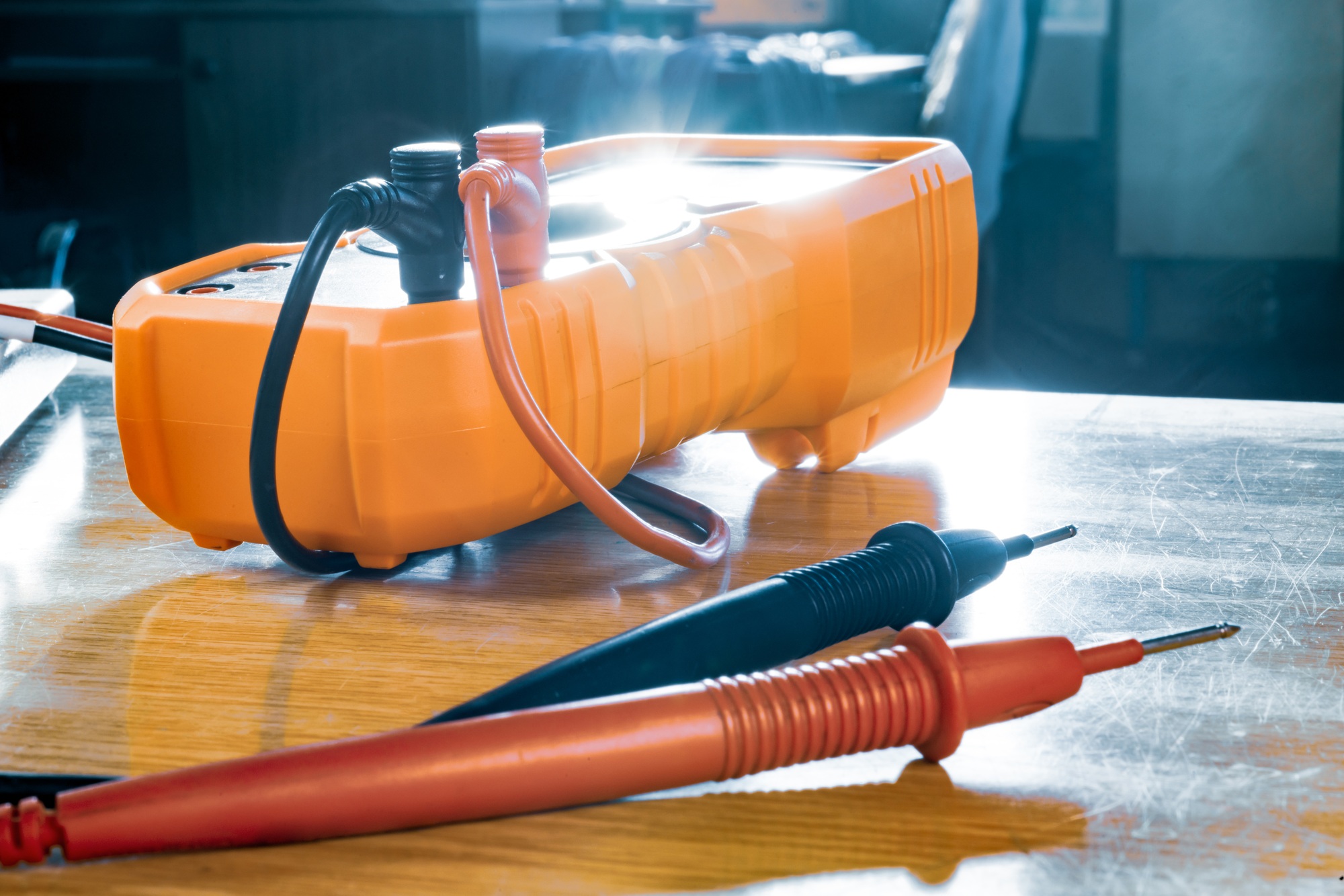
Multimeters are essential tools for theater technicians working with electrical systems, but using them correctly requires knowledge and safety precautions. This guide covers the fundamentals of multimeter operation, including voltage and continuity testing, selecting the right features, and best practices for safe use. From lockout/tagout procedures to understanding True RMS and amp clamps, mastering these skills ensures accurate troubleshooting and a safer work environment in theatrical settings.
Fire retardants play a crucial role in theatre safety, helping to protect curtains, props, and scenery from fire hazards. But are they toxic? While older formulations contained harmful chemicals, modern fire retardants like Rosco Flamex and Turning Star Flame Retardants are designed to be safer while maintaining effectiveness. Learn more about their safety, regulations, and how to use them responsibly in theatre applications.
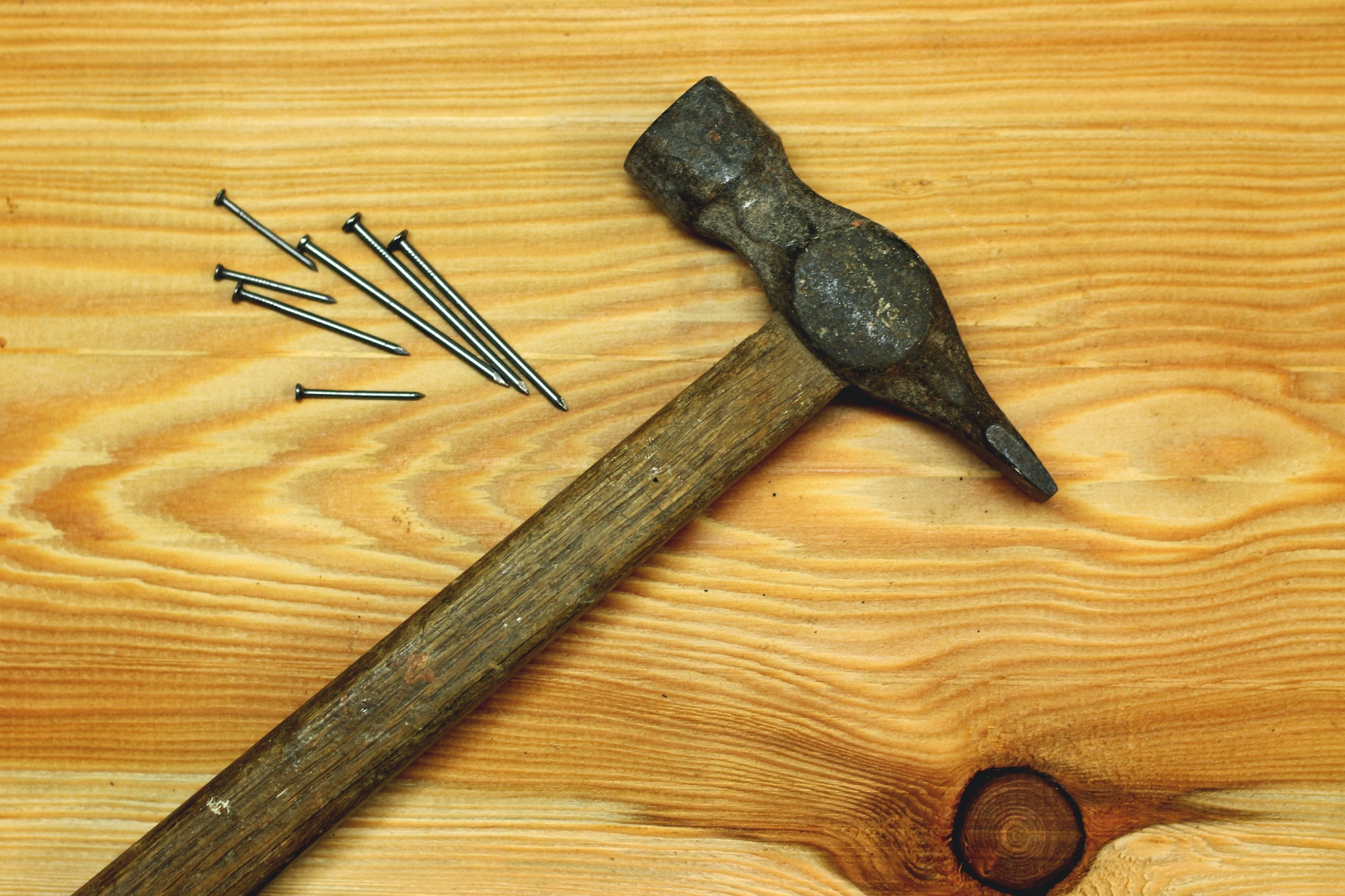
Comprehensive hammer safety protocols for theatrical production covering tool selection, inspection requirements, working at height procedures, and maintenance standards.
Standards-based protocols for hand tool selection, inspection, and maintenance in theater technical operations to prevent injuries and ensure compliance.
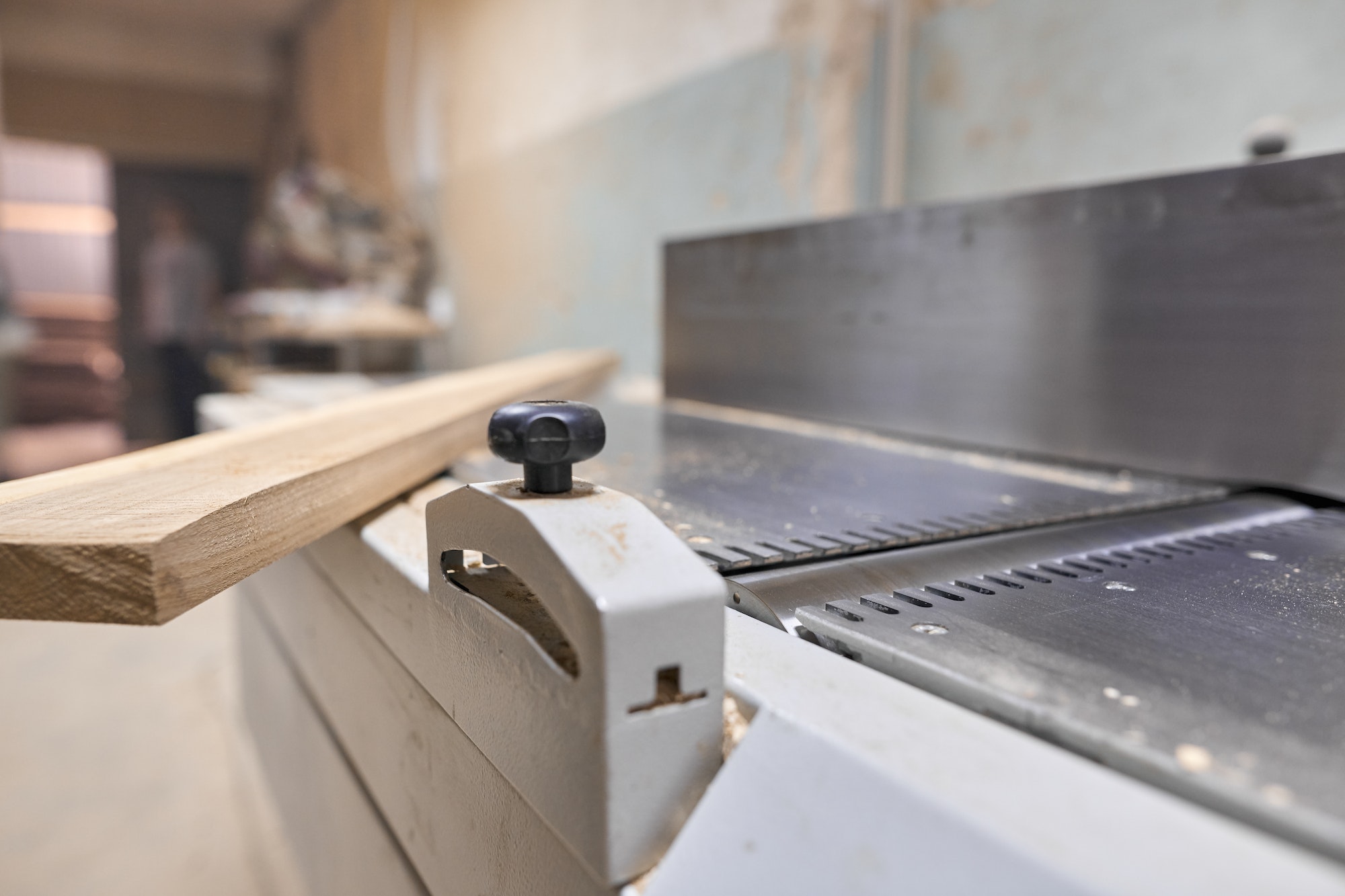
A complete safety guide to hand tools and power tools in the performing arts. Covers OSHA requirements, inspection, PPE, training obligations, and when tools must be removed from service.
Falls from ladders and aerial lifts are among the most common serious injuries in theater. Learn the OSHA standards, duty ratings, safe use techniques, prohibited practices, and aerial work platform requirements.
Lifts are safer than ladders for most theater overhead work -- but only when operated correctly by trained, authorized users. Learn scissor vs. boom lift differences, OSHA and ANSI/SAIA A92 requirements, pre-use inspection, tip-over prevention, and prohibited uses.
Ladder falls are a leading cause of serious injury in performing arts. This article covers OSHA 29 CFR 1910.23 requirements, ladder types, duty ratings, pre-use inspection, safe climbing techniques, theater-specific setup challenges, and the program policies every program director must establish.