Ventilation is the most powerful and most overlooked engineering control in performing arts production. This article covers the difference between dilution and local exhaust ventilation (LEV), capture velocity requirements, ventilation needs by work area (scene shop, paint shop, costume shop, welding), makeup air requirements, and methods for verifying ventilation performance.
Airborne particulate from wood, MDF, foam carving, textiles, welding, and spray painting is a pervasive chronic hazard in performing arts production. This article covers particle size and respiratory deposition, wood dust carcinogenicity, MDF and formaldehyde, polyurethane isocyanate sensitization, welding fume, OSHA PELs, ACGIH TLVs, and respirator selection.
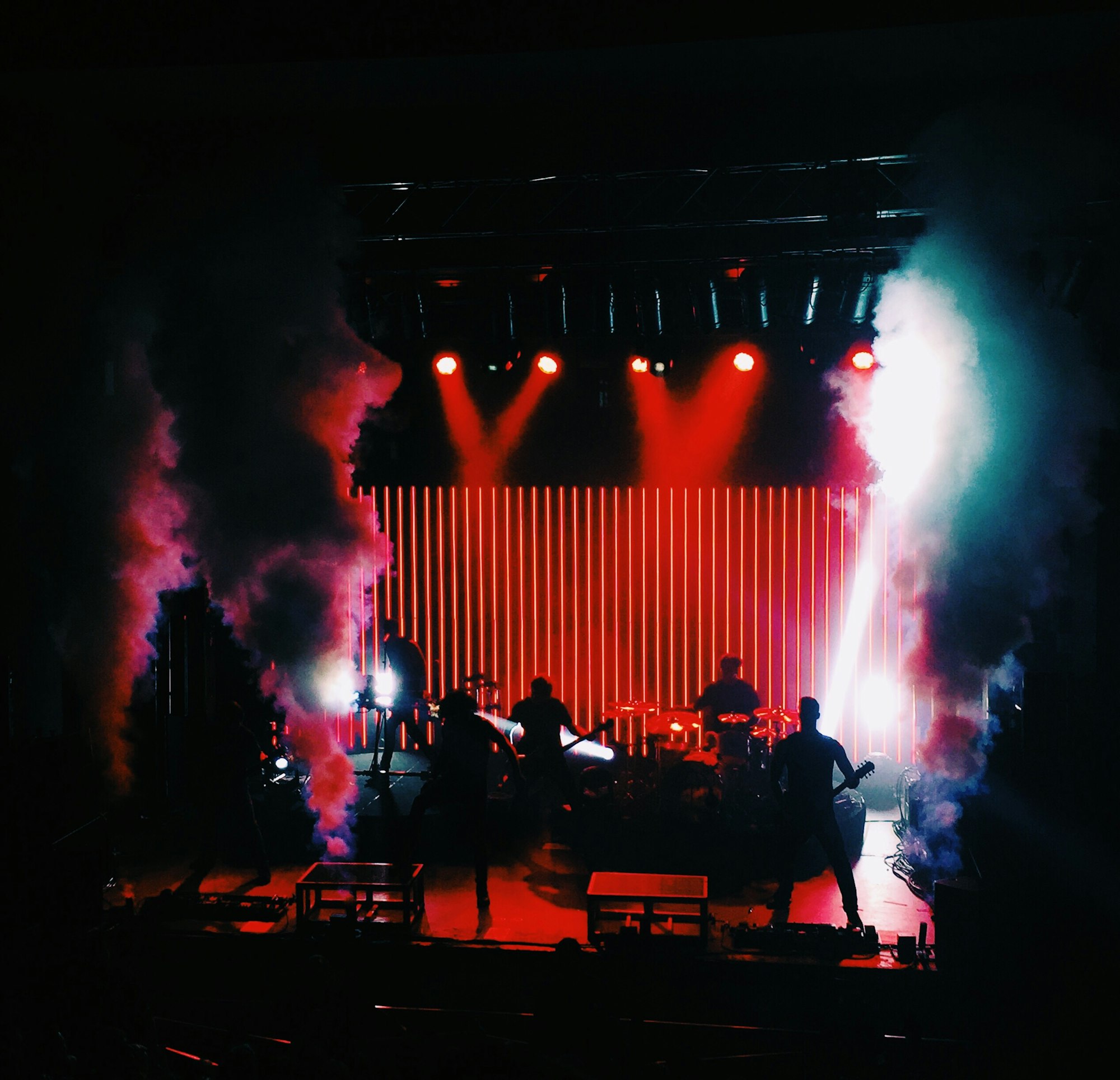
ANSI E1.23-2023 establishes new requirements for theatrical fog and haze safety. Learn the five critical steps technical directors, designers, and operators must take now to protect workers, comply with the standard, and avoid production shutdowns when the fire marshal asks for your atmospheric effects documentation.