Hazard identification is the first step in any credible event emergency plan. Explore the 14-category hazard framework and learn how to apply it systematically to your event using FEMA, ISO 45001, and NFPA 1600 guidance.
Effective safety management starts in the first production meeting and continues through the final night of strike. This article maps safety planning onto the performing arts production cycle, assigns responsibilities to the roles that already exist, walks through a risk assessment with a concrete example, and covers permits, monitoring, incident logs, and a practical checklist for getting started.
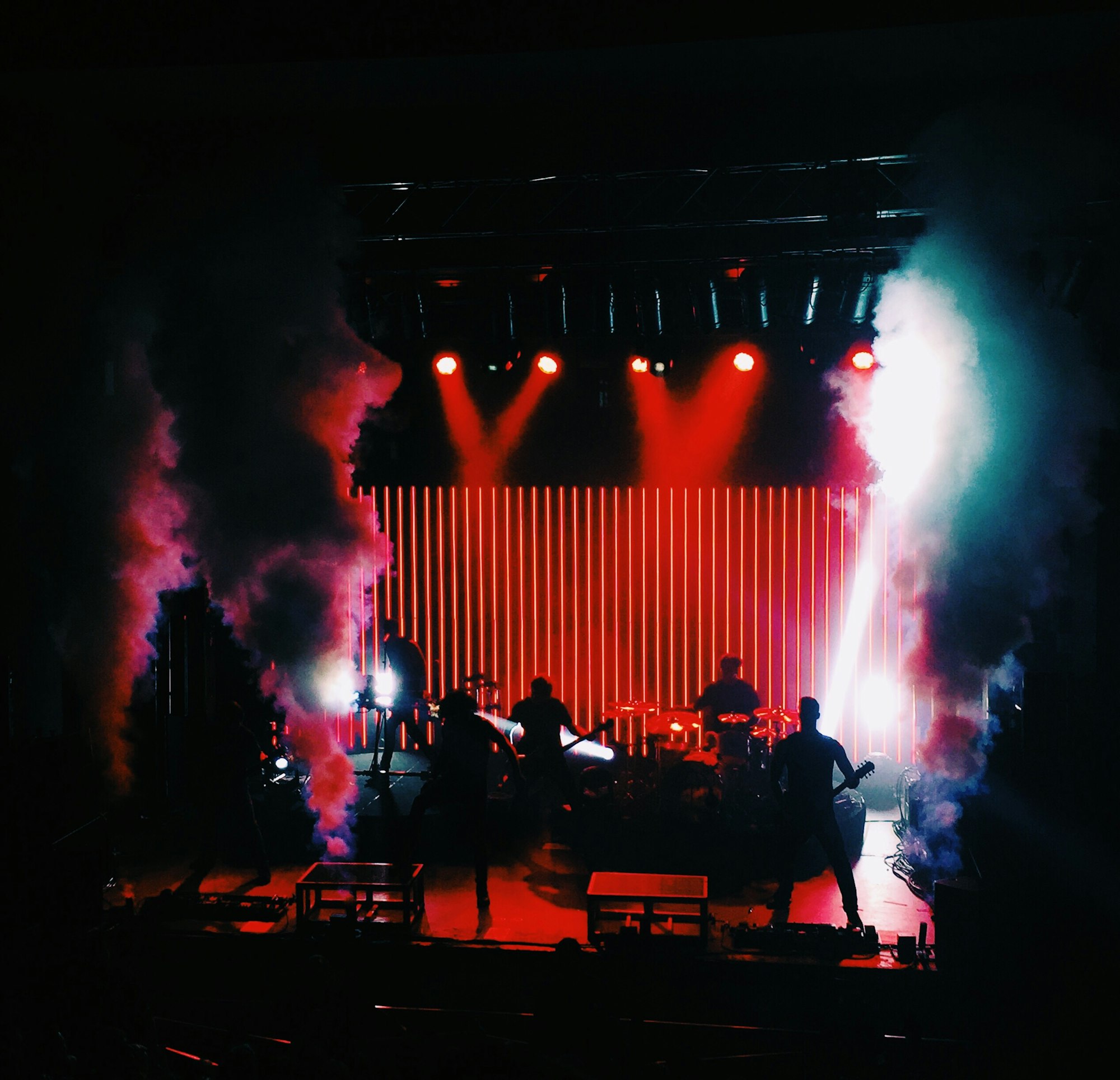
ANSI E1.23-2023 establishes new requirements for theatrical fog and haze safety. Learn the five critical steps technical directors, designers, and operators must take now to protect workers, comply with the standard, and avoid production shutdowns when the fire marshal asks for your atmospheric effects documentation.
Standards-based protocols for hand tool selection, inspection, and maintenance in theater technical operations to prevent injuries and ensure compliance.
Learn practical strategies for effective risk communication in theater productions, including methods for high-risk activities, feedback loops, visual tools, and reporting systems. Improve safety in high school, community, and professional theater environments.
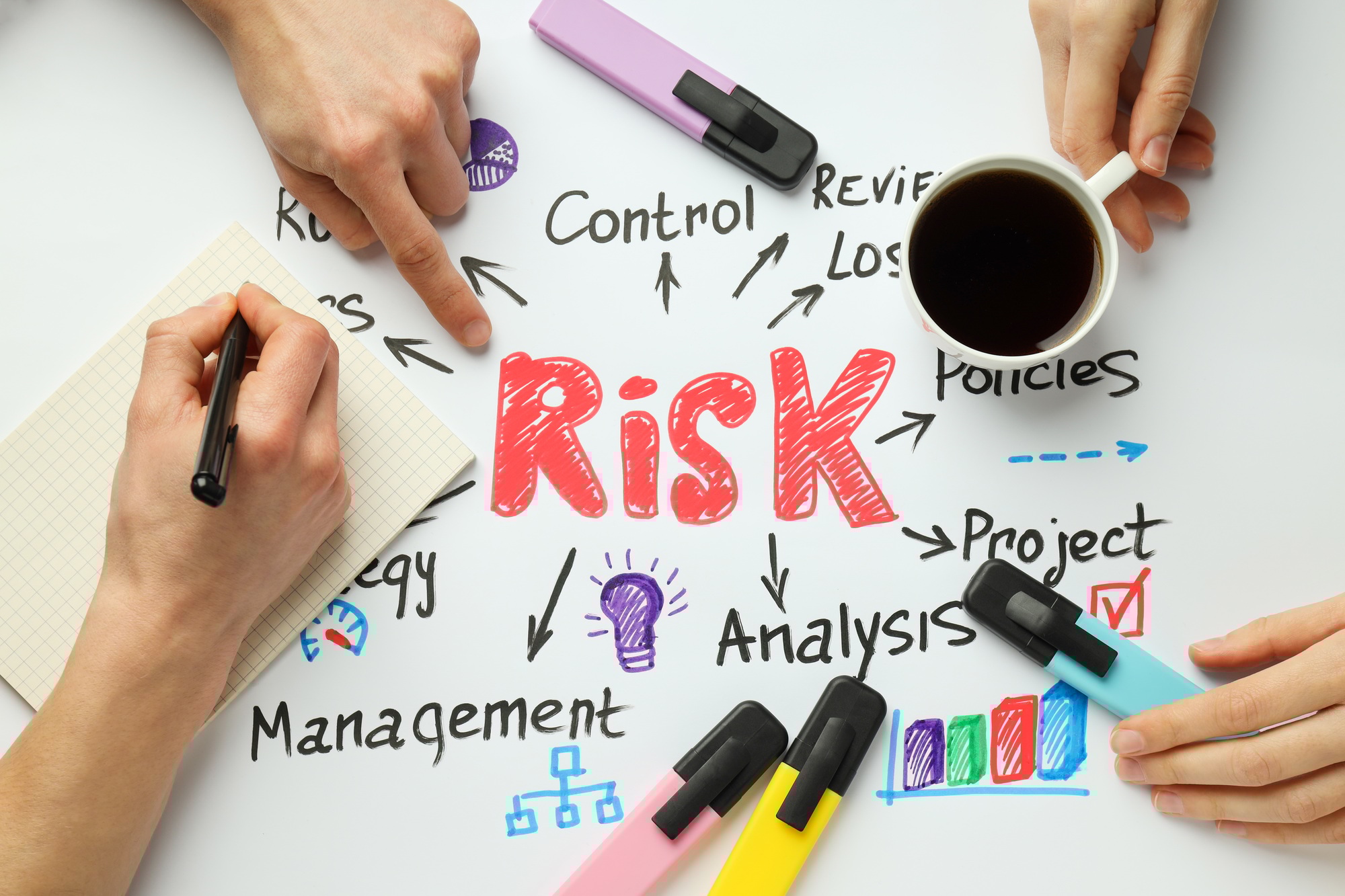
A performing arts risk manager plays a crucial role in safeguarding productions by systematically identifying and mitigating hazards across planning, management, technical operations, and emerging digital risks. This article explores key risk areas—from scheduling and human factors to energetic hazards and cybersecurity—and outlines practical strategies to ensure the safety and success of live performances.