Unlock safer backstage ops with the hierarchy of controls: eliminate hazards first, from rigging fails to fog slips, per OSHA and ANSI E1 standards for theaters.
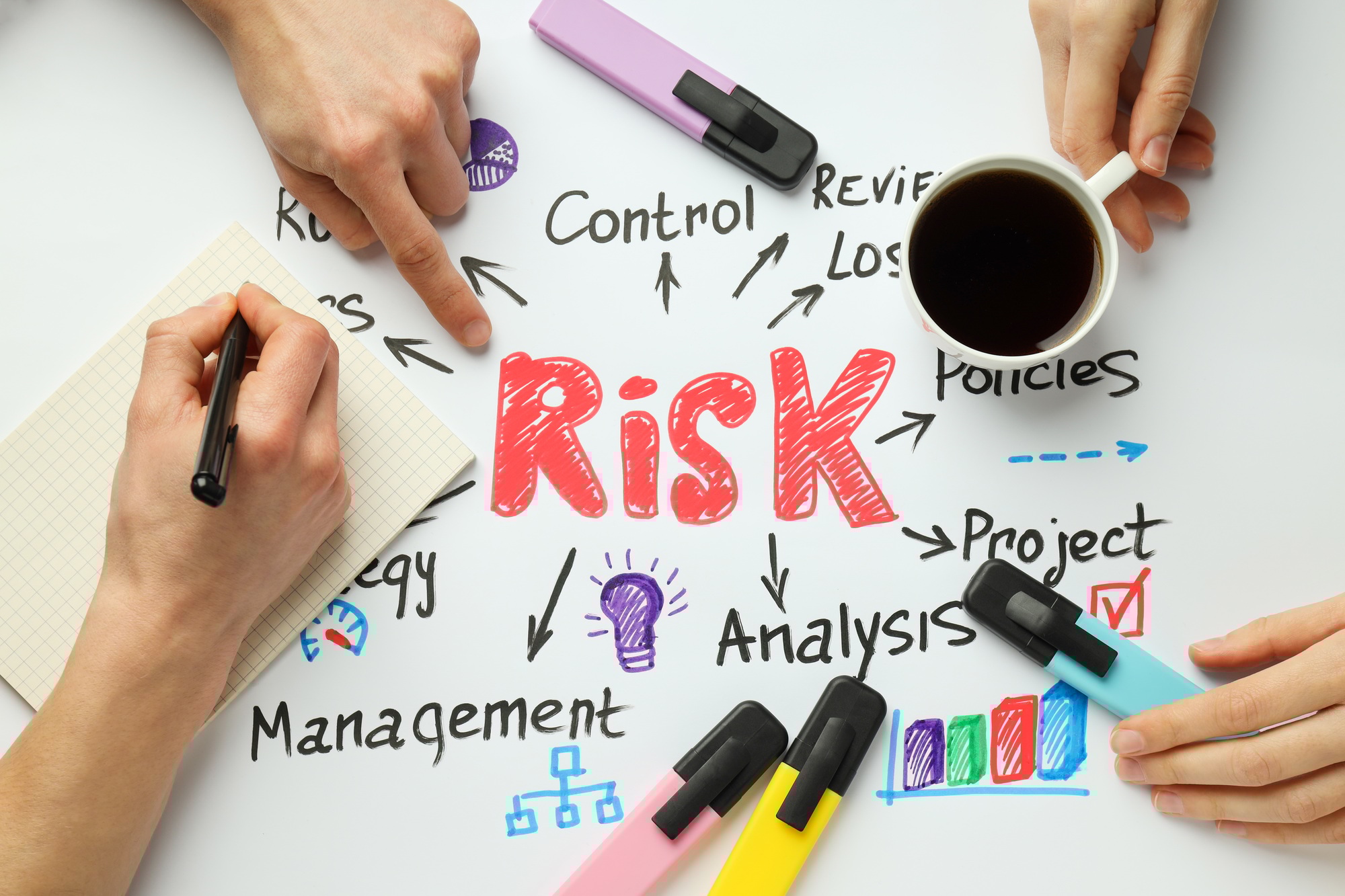
A performing arts risk manager plays a crucial role in safeguarding productions by systematically identifying and mitigating hazards across planning, management, technical operations, and emerging digital risks. This article explores key risk areas—from scheduling and human factors to energetic hazards and cybersecurity—and outlines practical strategies to ensure the safety and success of live performances.
Theatre consultants provide specialized expertise for designing, specifying, and commissioning theatrical systems, but knowing when to engage them requires understanding project complexity, internal capacity, and the cost of mistakes. This guide helps educational theater technical directors evaluate consultant qualifications, determine when consultant services add genuine value, and manage consultant relationships effectively to maximize return on investment while ensuring code compliance and operational safety.
Stop calling student crew members "techies." Learn why accurate terminology empowers high school theater students and supports safety and career readiness.
Flying students in a high school production is possible, but it is not a DIY effect. This article explains the standards, vendor qualifications, certifications, and administrative questions schools should review before approving any performer flying.
When something goes seriously wrong at an event, the response that arrives will be organized around the Incident Command System (ICS). This article explains what NIMS and ICS are, how the command structure works, what happens when an incident occurs during your event, and how to align your emergency action plan with ICS so your team and the responding agencies can work together effectively. Includes links to free FEMA training courses.